
Planetary Surface Environmental Science
Our research target is planetary surface/near-surface environments to understand the past geological processes and present status in anticipation of future manned missions especially on the Moon and Mars. To achieve this, our division is conducting a wide range of research with various approaches, such as remote sensing data analysis, in-situ geophysical data analysis, numerical simulations, laboratory experiments, and extraterrestrial sample analysis.
 |
|
|---|
We study geological processes involving water in the planetary surface environments through fieldwork, laboratory experiments, and characterization of microscopic properties using probe microscopes.
 |
|
|---|
 |
|
|---|
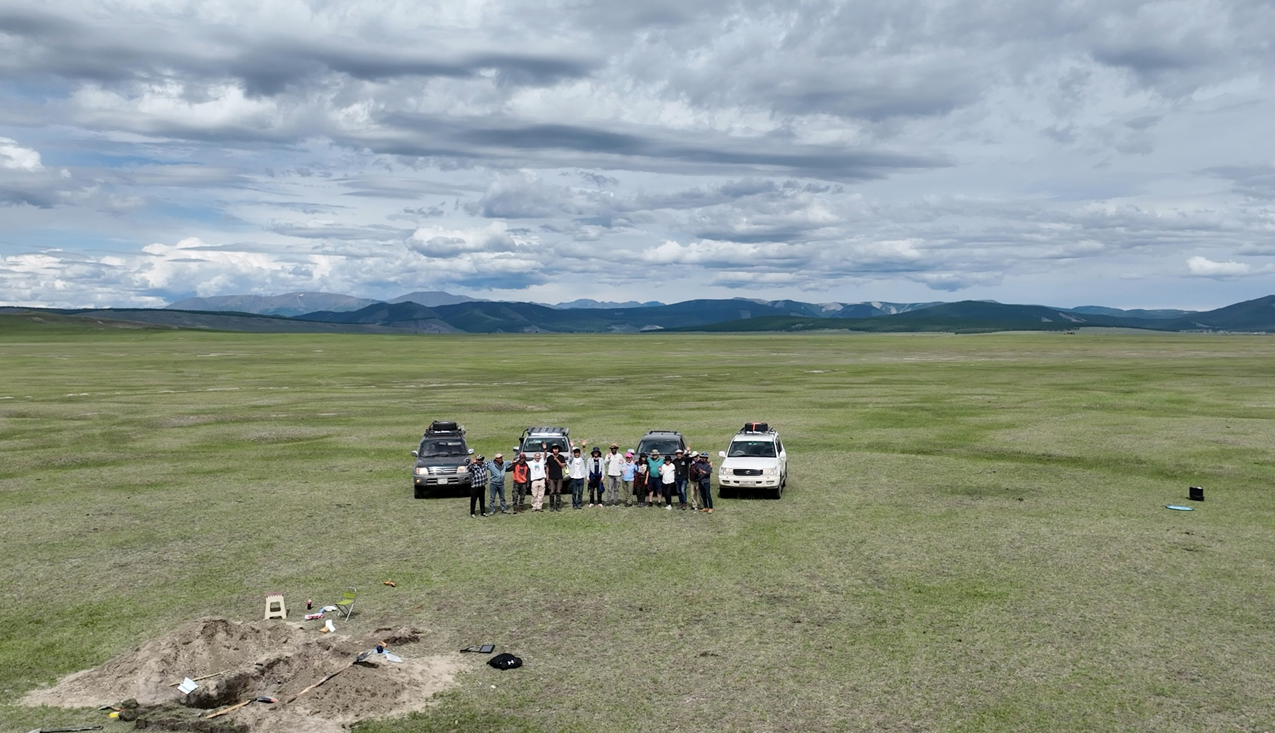
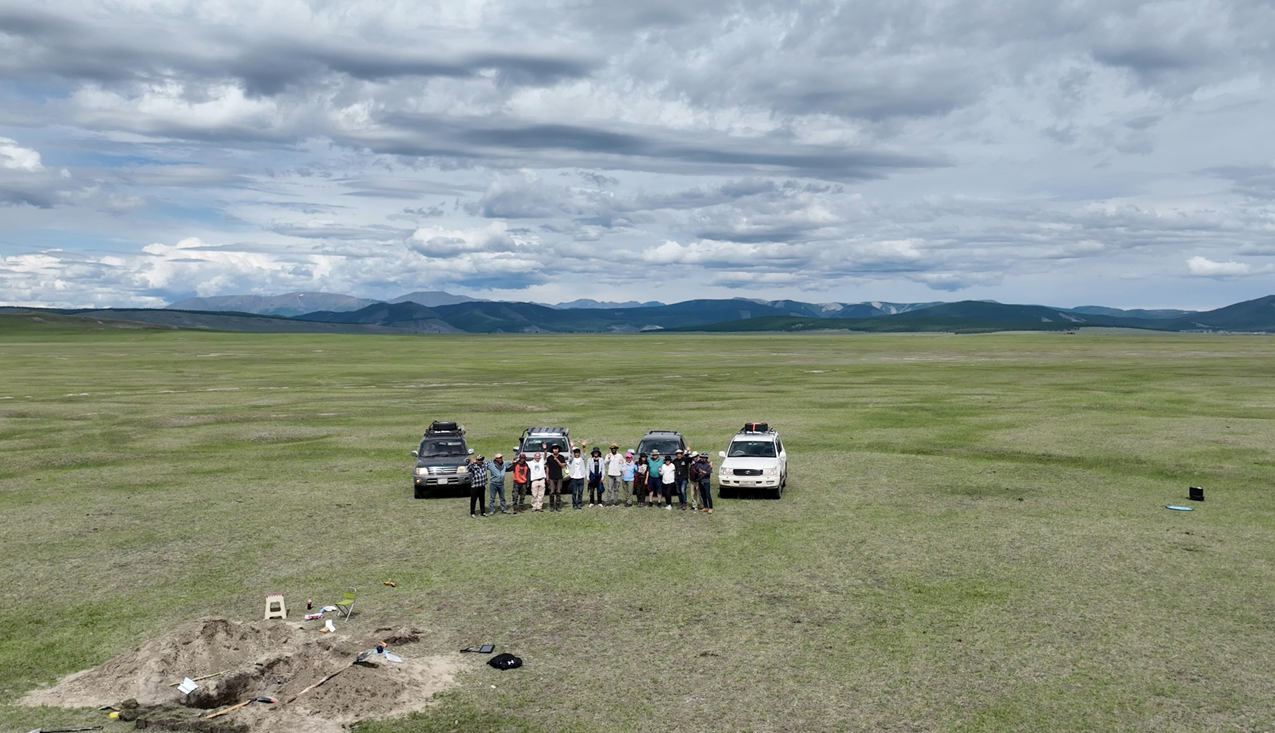
Field-trip in Mongolia to investigate the periglacial landforms. This study is important to locate the sub-surface ice deposits on Mars
I am a Planetary Geologist. My research group tries to understand the surface geological evolution of rocky planetary bodies from Mars, Moon and even on Ryugu. Currently, we are focussing on the future exploration missions and the landing site selection. For this, we are now conducting investigations from the Earth analog terrains in US and in Monglia. In future, we plan to recreate planetary surface environmental conditions in a chambers (which will be equipped with Hyperspectral Cameras) to better understnd the Martian surface geological processes.
 |
|
|---|
Study of carbonaceous chondrites and their parent bodies using sample analysis (e.g., by XRD, EPMA, Raman spectroscopy, reflectance spectroscopy) along with spacecraft and telescopic observations, including from the OSIRIS-REx mission; Mars exploration using mineralogical and spectroscopic methods to investigate martian meteorites and Mars analogue materials; and investigation of possible ancient microbial trace fossils in basaltic rocks.
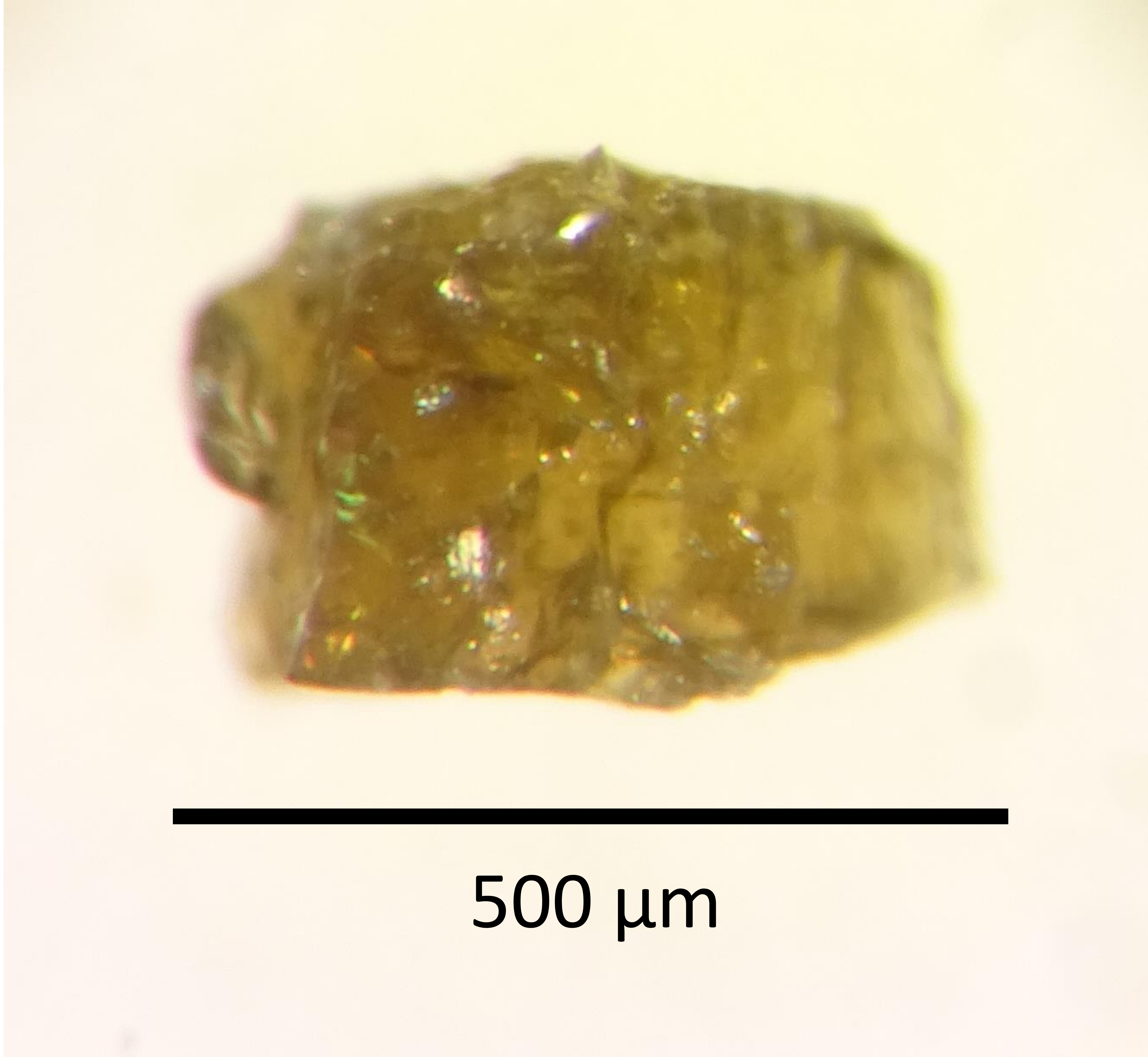 A photo of a Fe, Al-bearing MgSiO3 bridgmanite single crystal synthesized at 25 GPa and 2000 K. |
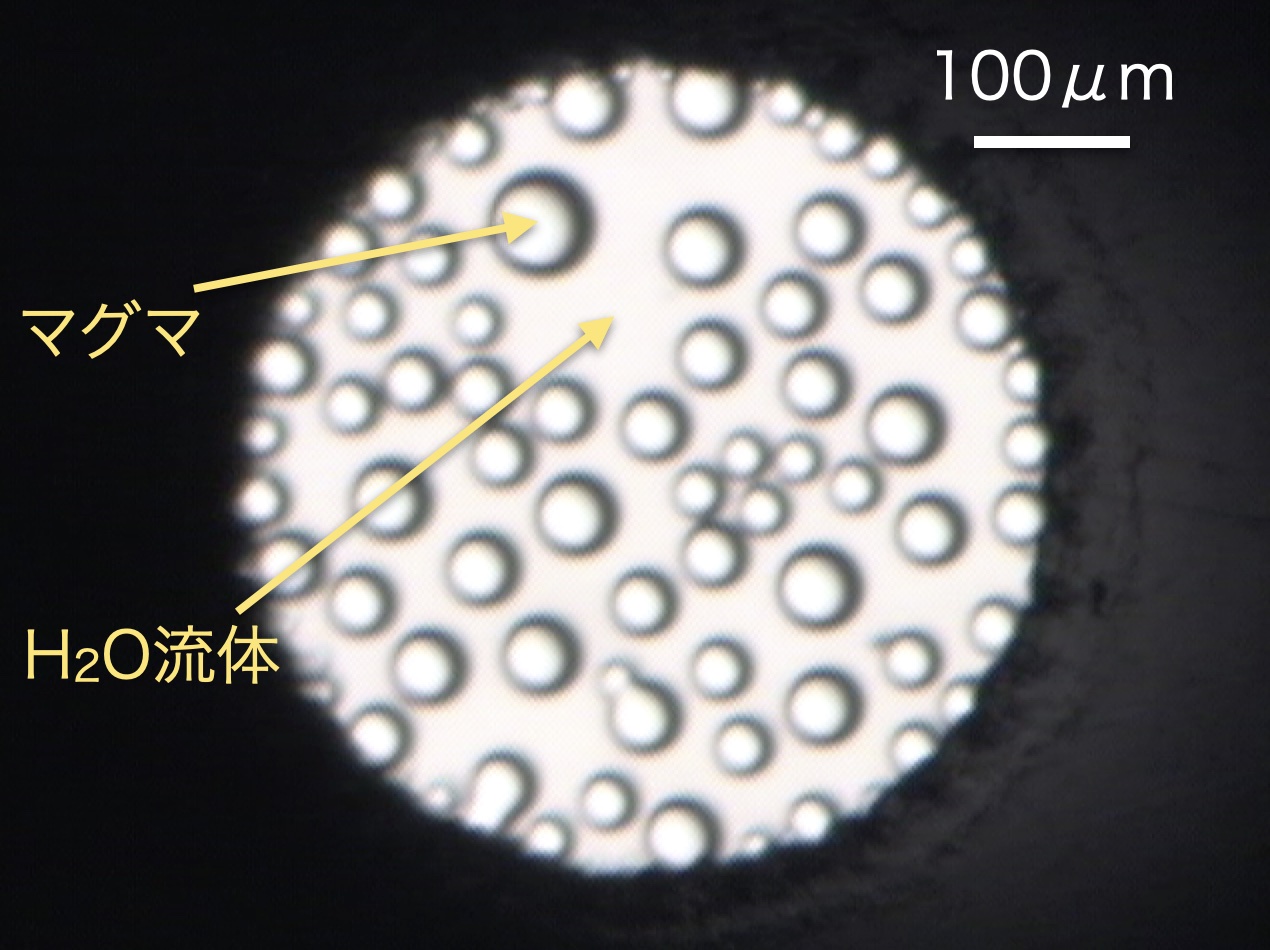 An analogous magma – H2O fluid system experimentally reproduced at 700MPa, 530 °C in a diamond anvil cell. |
 |
|
|---|