
Design of Steel Structures
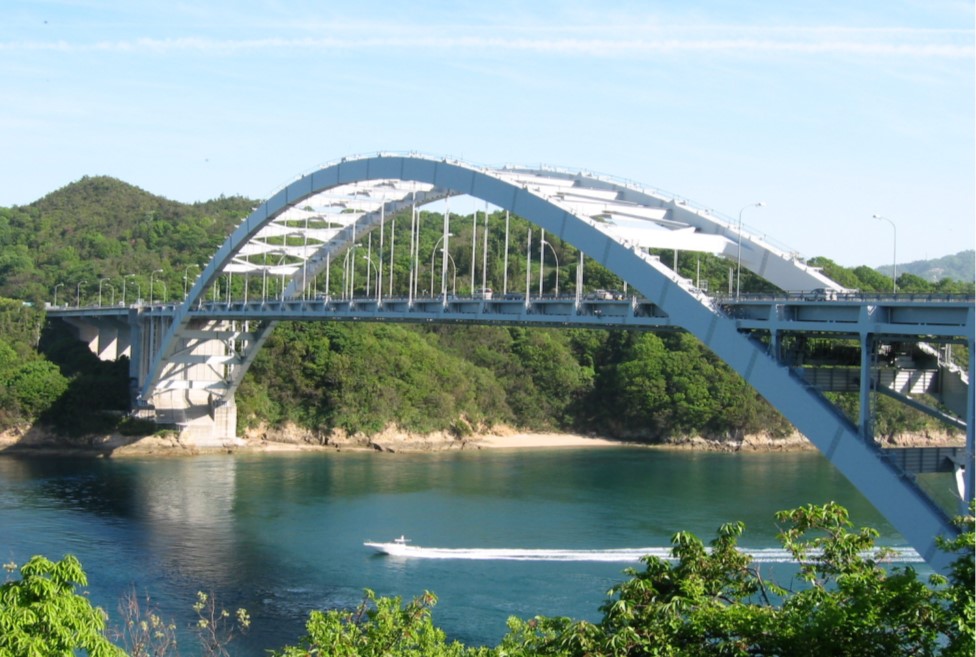
Research and education are conducted on the advanced methods of construction and maintenance of civil infrastructures. The types of infrastructures of our interest include railway, road, river, port, and soil structures such as tunnels, bridges, dams, banks. In terms of research topics, particular focuses are placed on the development of the state-of-the-art structural monitoring and nondestructive inspection techniques for the infrastructures under operation. To this end, we are developing physio-chemical models of structures, materials, and measurements, and validate the models and the monitoring/testing techniques built on them through computer simulations and experiments.
 |
|
|---|
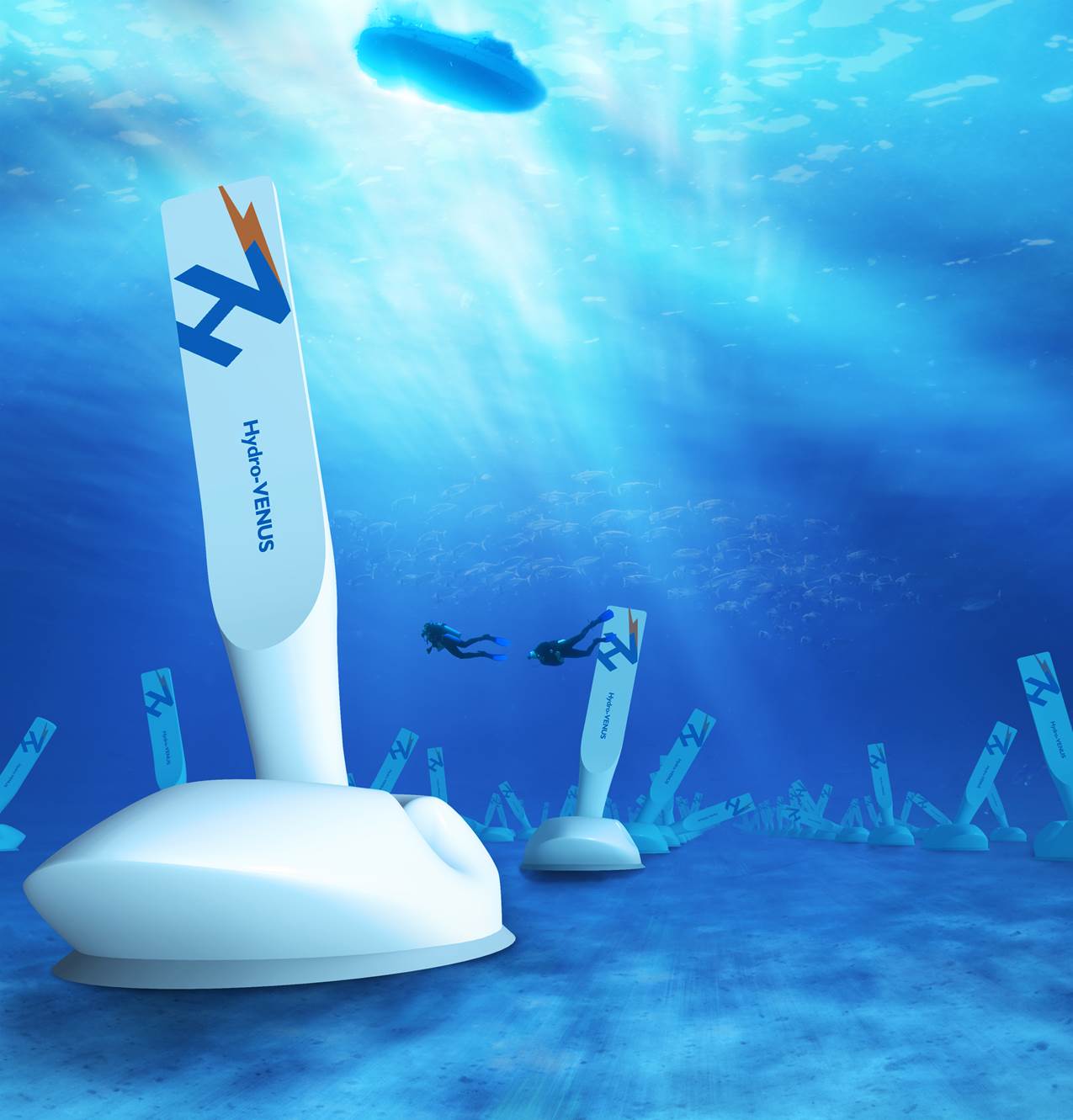 Long-span bridges such as the Seto Ohashi Bridge and the Akashi Kaikyo Bridge frequently vibrate due to the wind. A famous historical example occurred in 1940, when the Tacoma Narrows Bridge collapsed because of wind-induced oscillations. However, if we can exploit these incredibly powerful vibrations, we might be able to efficiently extract renewable energy from wind and water currents. To cleanly capture this natural force, we are currently working on a completely novel, unprecedented power generation method that turns vibrations into usable energy.
|
Mesoscale physio-chemical modeling of unsaturated bentonite clay
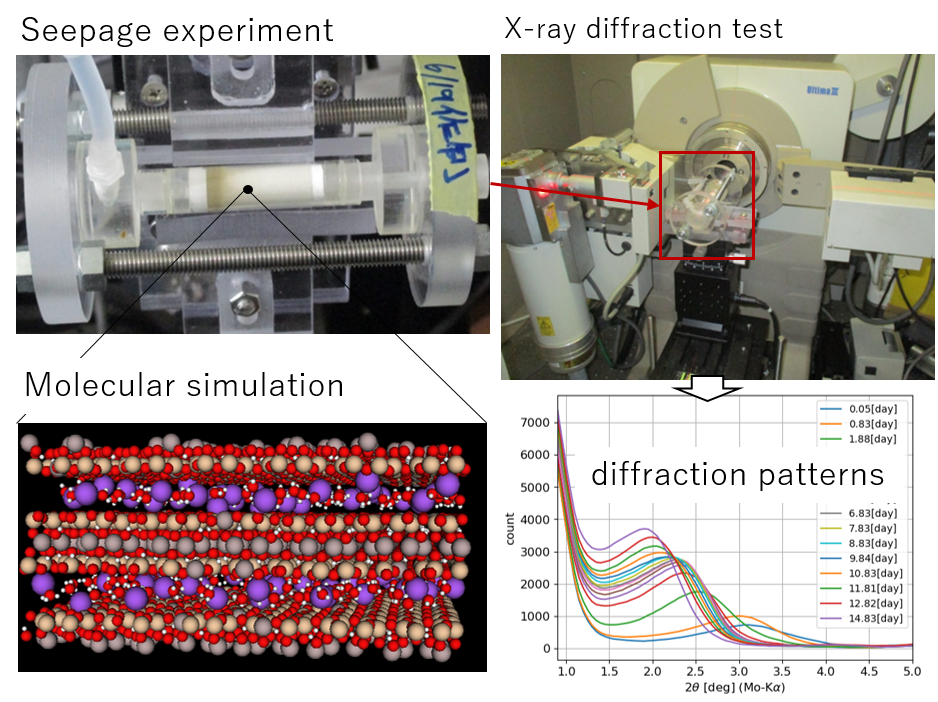
Numerical and experimental studies on the seepage in unsaturated
bentonite clay
Understanding the mechanisms of seepage in unsaturated bentonite clay is important in the field of geological disposal of high-level nuclear wastes. Hydration and adsorption of pore water to clay minerals are known to be two major factors that dominate seepage in unsaturated bentonite. We are hence modeling a condensed clay-water system with the help of molecular dynamics simulations where nanoscale water transport can be investigated closely. Experimental investigations are made alongside to gain better insights into the hydration and swelling occurring in an unsaturated montmorillonite clay primarily by in-situ X-ray diffraction measurements.